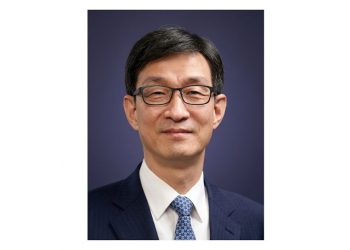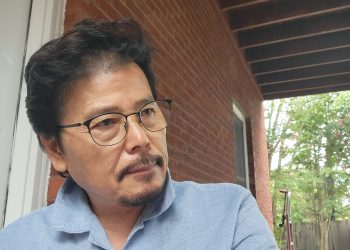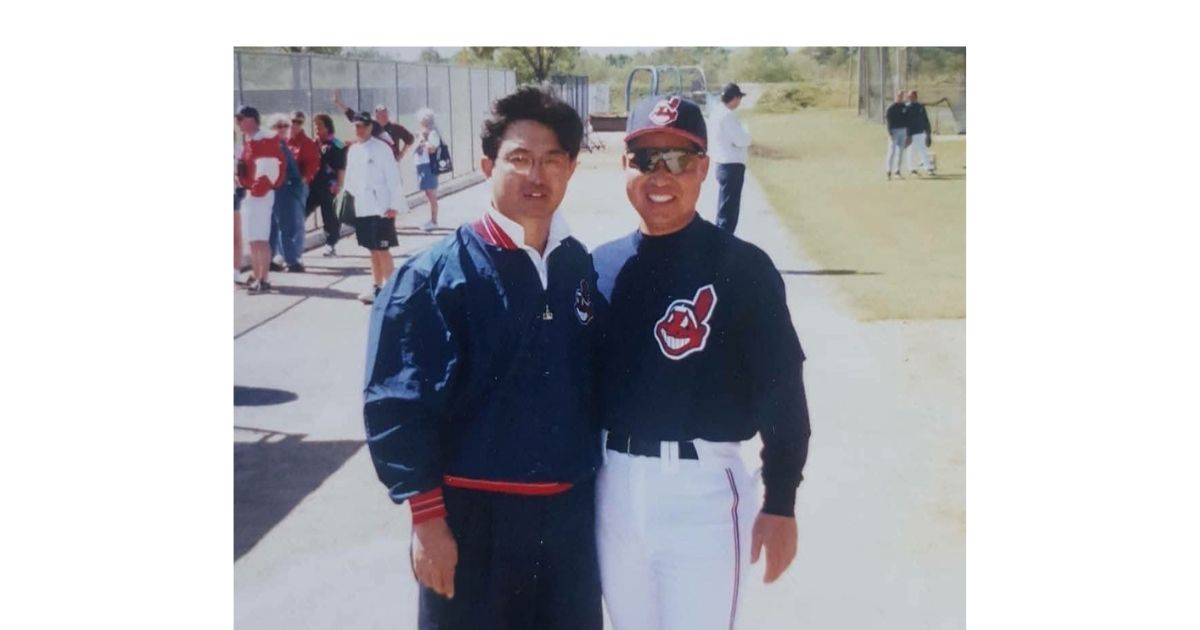
1998년 3월 클리브랜드 인디언스 스프링 캠프 당시 이만수 감독과 김종훈(Andy Kim) 콜만 글로벌그룹(조지아주 소재) 회장
미국에 사는 나의 친구 앤디 김으로부터 너무나 멋진 글이 날라왔다. 그 내용을 여기에 옮겨본다.
“모두에게 잘해주려고 했는데… 왜 나만 지칠까요?
친절은 아름답지만, 인정받기 위해 자신을 희생할 필요는 없네.
호의에도 경계가 필요하고, 나 자신도 존중해야 하니까.
‘타인의 부탁’ ‘무리한 희생’ ‘인정받고 싶은 마음’ ‘나를 잊은 친절’
‘건강한 거리’ ‘나의 시간’ ‘자기 존중’ ‘지속 가능한 친절’
“모두에게 잘 보이려 애쓰지 마세요.
진정한 친절은 나를 잃지 않는 것에서 시작됩니다.”
누구보다 앤디는 나와 오랜 시간을 함께 했던 친구이기 때문에 내가 어떤 생각을 갖고 이 일을 하는지 누구보다 잘 알고 있다. 매년 동남아로 여러번 내려가야 하는 나의 행동을 보고 또 국내 전국을 돌며 재능기부하는 나의 모습을 보며 조금 안타까워 하는 모습이다.
젊은 청춘도 아니고 내일 모레면 일흔을 바라보는 나이임에도 불구하고 젊은이들보다 더 열정적으로 동남아와 해외로 다니며 재능기부하는 나의 모습을 보며 누구보다 더 마음 아파하는 친구다. 아무리 야구를 보급하는 것도 좋지만 건강 잃으면 모든것을 다 잃는다며 걱정하고 있다. 재능기부도, 야구를 보급하는 일도, 건강 잃으면 아무 소용이 없다며 한달이면 몇번씩 전화나 문자로 걱정하며 보낸다.
앤디는 나에게 ‘자기 몸을 돌보지 않고 그렇게 힘들게 살것이면 차라리 미국에 들어와 자기와 좋은 시간을 가지며 미국에서 재능기부와 강연 및 간증을 하잖다.’ 이미 앤디는 몇년전부터 미국에서의 모든 스케줄을 다 짜놓았으니 들어오란다. 앤디의 이야기를 의하면 지난 10년 동안 미국에서 지도자생활 했기 때문에 교민들이 나의 강연이나 간증을 듣고 싶어 꼭 한번 초청하고 싶다며 앤디한테 이야기한단다.
앤디가 보낸 글을 읽다보면 그 글이 나에게 해당 되는 말이라는 것을 어느 누구보다 내가 더 잘 알고 있다. 젊은 시절에는 모두에게 잘해주려고 애를 썼는지 모른다.
어린시절과 프로에 들어와 세상 사람들로부터 인정받기 위해 나 자신을 희생하며 달려온 세월이 얼마나 많았던가… 나 자신을 돌보기 보다는 아무리 힘이 들어도 남을 먼저 생각하며 나의 일을 뒤로 미루었던 적이 수도 없었다. 가장 먼저 나 자신을 존중해야 함에도 나를 돌보지 않고 ‘타인의 부탁’ ‘무리한 희생’ ‘인정받고 싶은 마음’ ‘나를 잊은 친절’들은 나를 더 지치게 했고 또 깊은 수렁에 빠져 나 자신이 고통속에서 헤어나지 못한 삶을 살았던 적이 많음을 고백하지 않을 수 없다.
이런 모든것들이 나 자신보다는 남을 먼저 의식하는 삶을 살아왔다. 지금 당장 나를 위해서라도 ‘건강한 거리’ ‘나의 시간’ ‘자기 존중’ ‘지속 가능한 친절’을 가질 수 있도록 노력해야 한다. 앤디가 너무 좋은 이야기를 했다. “모두에게 잘 보이려 애쓰지 마세요. 진정한 친절은 나를 잃지 않는 것에서 시작됩니다.”
나는 신앙인이다. 물론 이 모든것들이 이 세상에 살아가는데 정말 너무나 옳은 이야기들이다. 그러나 나는 신앙인이기 때문에 이 모든 관점들을 신앙적으로 풀어나가야 한다.
“청지기의 삶은 사전적으로 남의 것을 대신 맡아 관리하고 지키는 사람을 뜻하며, 신앙적 맥락에서는 모든 소유의 주인이 하나님임을 인정하고 맡겨진 사명을 충실히 수행하는 태도를 의미한다.”
이처럼 하나님은 우리 믿는 성도들에게 부한 자나 가난한 자 그리고 건강한 자나 약한 자들에 대한 그리스도인의 청지기의 삶을 살기를 원하신다.
우리의 신앙고백은 청지기의 삶 즉 신앙의 실천과 함께 할 때 살아있는 고백이 된다. 예수님은 우리를 세상의 소금과 빛으로 부르셨다. 교회사 속에 나타난 그리스도인의 빛과 소금의 역할은 부의 사용 즉, 가난한 자들에 대한 신앙인들의 청지기의 삶으로 실현되었다.
우리들의 청지기의 삶이 어떻게 나타나야 하는가? 앞에서도 이야기 했지만 “청지기의 삶은 사전적으로 남의 것을 대신 맡아 관리하고 지키는 사람을 뜻하며, 신앙적 맥락에서는 모든 소유의 주인이 하나님임을 인정하고 맡겨진 사명을 충실히 수행하는 태도를 의미한다.”
나의 삶이 다하는 그날까지 나 자신을 돌보기 보다는 하나님께서 나에게 맡겨진 사명을 나의 삶이 다하는 그날까지 충실히 수행하려고 한다.
< The Life of a Steward >
I received a truly wonderful message from my friend Andy Kim, who lives in the U.S. I’ve reproduced it here.
“I tried to be kind to everyone… but why am I the only one who feels exhausted?
Kindness is beautiful, but there’s no need to sacrifice yourself just to be recognized.
Even kindness needs boundaries, and I must respect myself, too.
‘Others’ requests,’ ‘excessive sacrifice,’ ‘the desire for recognition,’ ‘kindness that forgets myself’
‘Healthy boundaries,’ ‘my own time,’ ‘self-respect,’ ‘sustainable kindness’
“Don’t try so hard to please everyone.
True kindness begins with not losing yourself.”
More than anyone else, Andy is a friend who has spent a long time with me, so he understands better than anyone else the mindset with which I approach this work. He seems a little concerned when he sees me traveling to Southeast Asia several times a year and volunteering my skills all across the country.
Even though I’m no longer a young man—and will be approaching seventy in just a couple of days—he’s the friend who feels the most heartbroken when he sees me traveling to Southeast Asia and other countries to volunteer my skills with even more passion than young people. He worries, saying that while promoting baseball is all well and good, if I lose my health, I’ll lose everything. He calls or texts me several times a month, expressing concern that neither my volunteer work nor my efforts to promote baseball will matter if I lose my health.
Andy tells me, “If you’re going to live such a hard life without taking care of yourself, you might as well come to the U.S. and spend some quality time with me, doing volunteer work, giving lectures, and sharing your testimony here.” ’ He says he’s already had all my schedules in the U.S. planned out for several years now, so I should just come over. According to Andy, because he spent the last 10 years coaching in the U.S., members of the Korean community there have told him they’d love to hear my lectures and testimonies and are eager to invite me at least once.
As I read the message Andy sent, I know better than anyone else that those words apply to me. Perhaps in my youth, I tried too hard to be kind to everyone.
How many years of my life—from my childhood through my professional career—did I spend sacrificing myself just to gain recognition from the world? Countless times, rather than taking care of myself, I put others first no matter how exhausting it was, putting my own work on the back burner. Even though I should have respected myself first, I failed to take care of myself. “Others’ requests,” “excessive sacrifices,” “the desire for recognition,” and “kindness that made me forget myself”—I must confess that these things only wore me down further and often left me trapped in a deep quagmire, living a life from which I could not escape the pain.
All of this reflects a life where I prioritized others over myself. Even if it’s just for my own sake right now, I must strive to maintain “healthy boundaries,” “my own time,” “self-respect,” and “sustainable kindness.” Andy shared such a wonderful insight: “Don’t try so hard to please everyone. True kindness begins with not losing yourself.”
I am a person of faith. Of course, all of these are truly wise words for living in this world. However, because I am a person of faith, I must interpret all these perspectives through the lens of my faith.
“The life of a steward, by definition, refers to someone who manages and safeguards what belongs to others; in a spiritual context, it signifies an attitude of acknowledging that God is the owner of all possessions and faithfully carrying out the mission entrusted to us.”
In this way, God desires that we, as believers, live the life of a Christian steward toward the rich and the poor, the healthy and the weak alike.
Our confession of faith becomes a living confession only when it is accompanied by a life of stewardship—that is, the practice of our faith. Jesus called us to be the salt and light of the world. Throughout church history, the role of Christians as salt and light has been realized through the use of wealth—specifically, through the life of stewardship that believers practice toward the poor.
How should our life of stewardship manifest itself? As mentioned earlier, “the life of a steward, in the dictionary sense, refers to a person who manages and safeguards what belongs to others; in a faith context, it signifies an attitude of acknowledging that God is the owner of all possessions and faithfully carrying out the mission entrusted to us.”
Until the day my life ends, rather than focusing on myself, I intend to faithfully carry out the mission God has entrusted to me until the very end of my life.